
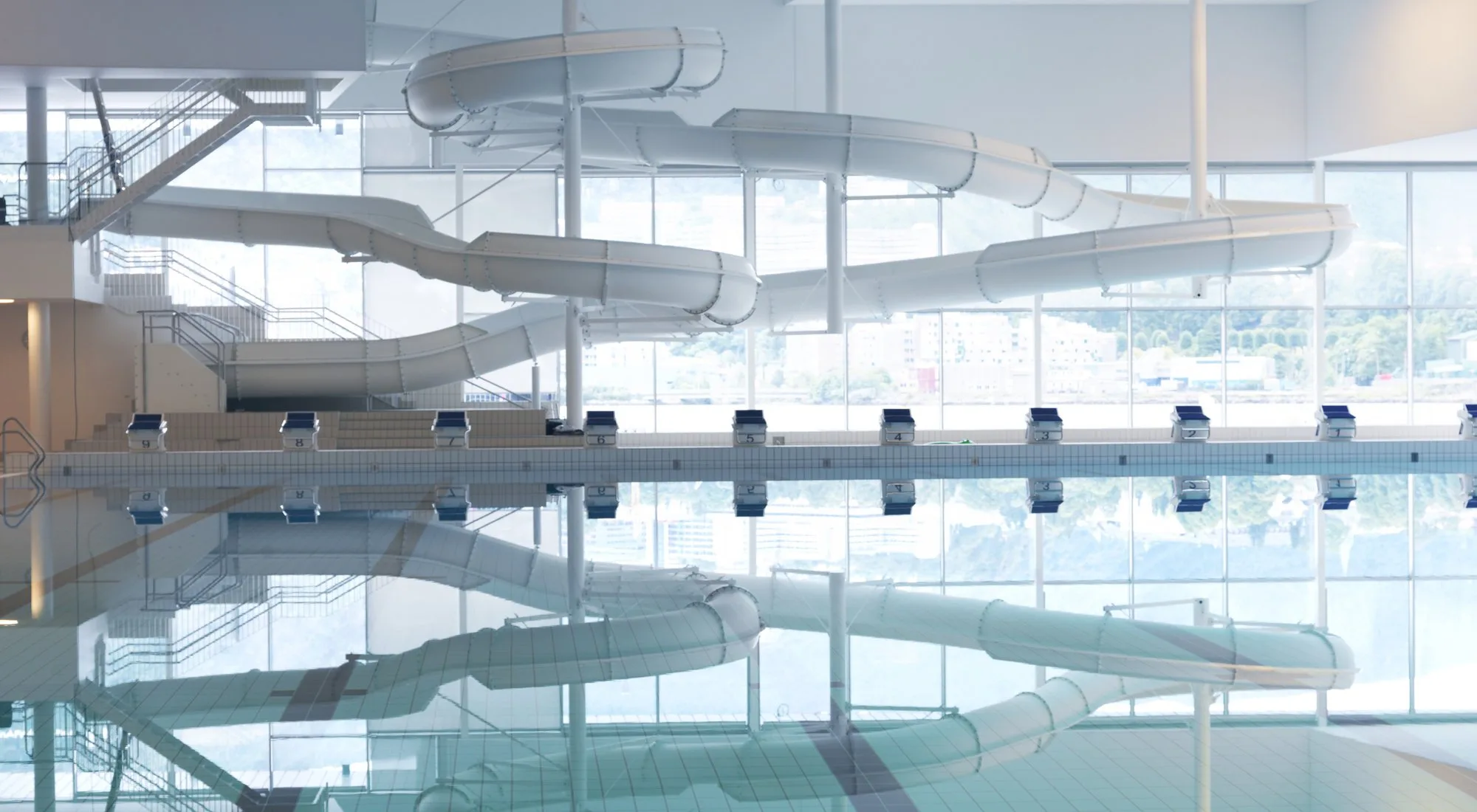
 Public buildings
AdO Arena
Pool heating saving up to 750,000 kWh a year, running at full capacity through Bergen's coldest winter in 20 years.
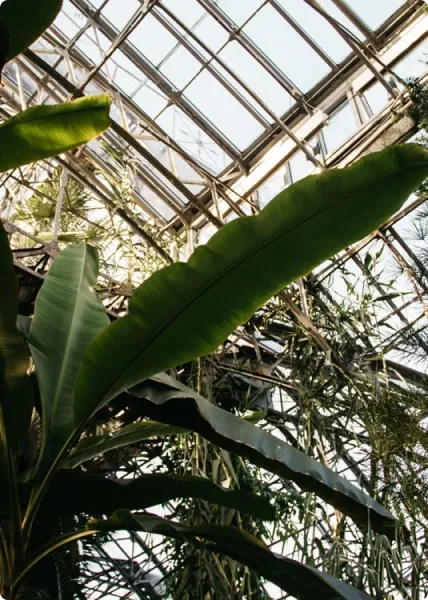
Meråker Grønt AS has grown cucumbers year-round in Meråker since 2007, producing around 6 million cucumbers a year for customers including Coop. In 2024 to 2025 it invested roughly NOK 20 million in a new energy system built around three Tequs Aqua4 CO₂ heat pumps, delivered on an Energy-as-a-Service model with Statkraft, Norway's first zero-emission energy plant for greenhouses.
At Meråker Grønt AS, we chose Tequs because of the high flexibility in operating mode, temperature and capacity regulation. The CO₂-based system gives us energy-efficient operation with near-zero climate impact, a robust and future-proof solution for year-round greenhouse production.
Public buildingsPool heating saving up to 750,000 kWh a year, running at full capacity through Bergen's coldest winter in 20 years.
 Healthcare
Three units, field COP 3.2, around 105 tonnes of CO₂ avoided per year.
IndustryThree units in a greenhouse, COP 4.8, around 750 tonnes of CO₂ avoided per year.
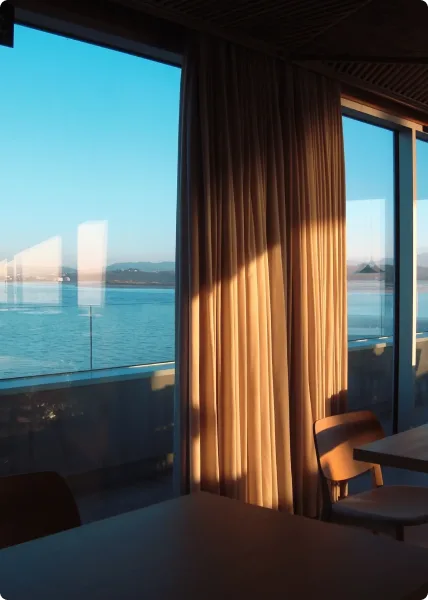 Hospitality
One unit supplying space heating and hot water for 170 rooms, saving around 191,000 kWh a year.
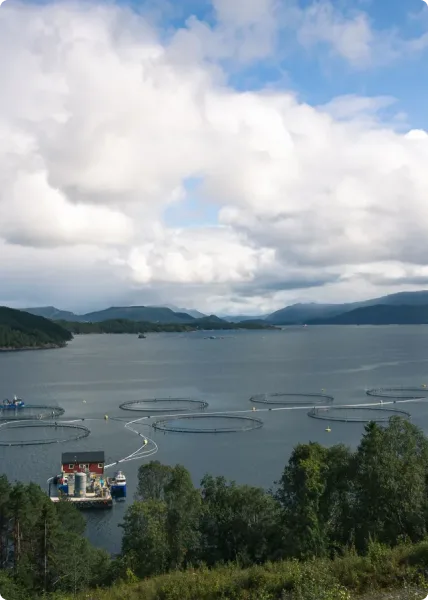 Aquaculture
One unit delivering 85°C heat from seawater, COP 3.25, around 35 tonnes of CO₂ avoided per year.
